Democracy

Democracy
Showing posts with label displacement. Show all posts

Thursday, December 20, 2007

Deterioration of Women’s rights and Living Conditions Under Occupation


The BRussells Tribunal wants to present a new important survey it has published: Deterioration of Women’s rights and Living Conditions Under Occupation, written by Iraqi scientist Dr. Souad N. Al-Azzawi, specialist on the subject of depleted uranium and member of our Advisory Committee: (http://www.brusselstribunal.org/pdf/WomenUnderOccupation.pdf)

The conclusions of this study are devastating for the US occupiers and confirm earlier studies, polls and surveys like the Lancet survey and ORB. And even worse: the survey concludes that the total number of deaths amongst the 4.5 million internally displaced or forced migrated people both inside and outside the country is estimated to be 868,500.

The occupation has destroyed the state and nation of Iraq and is continuing to annihilate the population.
The US war machine is committing genocide against the people of Iraq.

Some of the conclusions:

- The unemployment rate is 85% amongst women in the studied population.
- 47% of the women in the study hold some form of higher education degrees including Ph.D.s. When this number is added to high school graduates, the percentage rises to 70.6%.
- The biggest reasons of unemployment are a lack of security and sectarian violence in the country.
- About 36% of the families have no income or an income of less than $100/month. Women and children are made to beg or do menial labor or even work as prostitutes to feed their families.
- Out of the 150 studied families, 87 of them have family members who were killed. There is a high mortality rate of 193 per 1000, indicating the existence of genocide amongst the migrated or displaced population. The studied population is a bias group targeted by the occupation forces and sectarian militias. The total number of deaths amongst the 4.5 million internally displaced or forced migrated people both inside and outside the country is estimated to be 868,500.
- The highest percentage of killings occur due to sectarian militias, followed by occupation forces excessive use of violence (torture etc..).
- The 66 missing members of the studied families represent 12.69% of the members of the studied population, most of who left home for schools, colleges, work, etc. and never came back. Others were captured by guards and security forces and there is no information regarding their current whereabouts.
- About a third of the studied women in the group have developed some form of psychological or other stress related illness.
20% of the students in the studied families are failing school. Major causes include emotional damage as a result of having one or more family members killed and an inability to focus.
- 50% of the students in the studied population are school dropouts. Major causes of quitting include a lack of security and forced displacement or migration. Male student dropouts are higher in number than females.
- The mortality rate among the displaced population is 193 per 1000

Please read and spread this important survey.

Dirk Adriaensens
Member BRussells Tribunal executive committee
Coordinator SOS Iraq

Deterioration of Iraqi Women's Rights and Living
Conditions Under Occupation
Dr. Souad N. Al-Azzawi
Associate Professor in Environmental Engineering
Baghdad, Iraq – 19 December 2007.
Abstract:
For centuries, Iraqi women struggled for their human rights. It wasn't until the 1960's that some improvements in constitutional women's rights were implemented. During the seventies and eighties, women's rights improved significantly, providing better educational opportunities, political involvement, equal job opportunities, health care and development of laws and regulations to ensure a better life for Iraqi women and girls.
Deterioration of women's rights in Iraq began during the US-UN comprehensive economical sanctions imposed on Iraqi during the nineties. In 2003, the invasion of Iraq by the USA and its allies resulted in the descent of the rights of women just like other elements in Iraqi society, infrastructure and the general quality of life.
To define the extent of the USA occupation impact on women's rights and living conditions, a survey composed of 21 questions was distributed in two major cities:
Inside Baghdad, Iraq in the Karada District, and
Kudsiya area in Damascus, Syria where more than 200,000 Iraqi refugees live.
The 150 women who answered the survey were a part of 150 families or households composed of a total of 502 Iraqis.
Statistical analysis of the questions of the survey indicated dangerous trends in the security status that drove Iraqi women out of their jobs, where 85% of the studied women are unemployed (taking into consideration that the large majority of this percentage have a formal education). The study also indicated that 36% of the studied families lived with no income or a very low income of $100/month or less which has lead to women and children doing menial labor or begging. Also, it was found that 87 families have a victim of either occupation forces or sectarian violence. The mortality rate among this targeted displaced population is 193 per 1000. this high mortality rate is an indication of genocide existing amongst the migrated and displaced population. Missing family members rate at 12.7, and it is also estimated that 20% of the students of the studied women's families are having difficulties and failing schools. A percentage of other students quit school altogether.
The occupation is totally responsible for the deterioration and destruction of women's lives and rights in Iraq. Iraqi women under occupation need the help of their sisters in international women's organizations abroad to help protect them and protect their rights. They also have the right to resist the occupier in every way available to reclaim their lost lives and ensure a better life for themselves and their families.

Read the whole survey at http://www.brusselstribunal.org/pdf/WomenUnderOccupation.pdf

Monday, December 10, 2007

العراقيون يعودون إلى بيوت مدمرة ومنهوبة ومحتلة

الصورة: جيه ريفورد/مفوضية الأمم المتحدة


أمرأة عراقية تسير حاملة أمتعتها في شوارع دمشق
picture: UNHCR Displaced Iraqi woman in Damascus

بغداد، 10/ديسمبر/2007


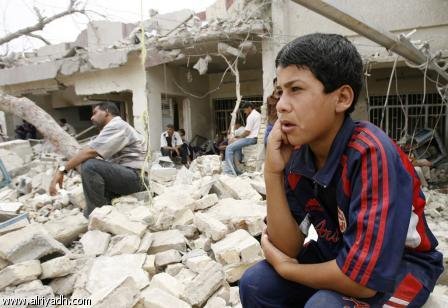
عادت اللاجئة العراقية ابتسام عبد الوهاب حسن من سوريا إلى بيتها في بغداد لتجد أبوابه مكسرة وأثاثه منهوب وأجزاء منه محروقة.
أما عادل عبد الله منذر، فعاد ليجد بيته قد نجا من الدمار ولكنه لم يسلم من احتلال أسرة أخرى رفضت المغادرة قبل أن يجد لهم عادل مكاناً آخر يأوون إليه.
ففي الأسابيع الأخيرة، عاد عشرات الآلاف من العراقيين من سوريا إلى ديارهم ببغداد إثر انخفاض في وتيرة العنف في العاصمة العراقية. ولكن الصدمة أصابت العديد من العائدين عندما وجدوا أن بيوتهم دمرت أو تعرضت للنهب أو الاحتلال.
وقالت ابتسام، وهي سيدة شيعية تبلغ من العمر 54 عاماً وأم لأربعة أطفال: "لقد فقدنا كل شيء. غادرنا إلى سوريا منذ سنتين بعد أن نجا زوجي من محاولة اغتيال على يد المقاتلين السنة بسبب رفضه الانصياع لأمرهم بمغادرة الحي".
قررت ابتسام العودة إلى بغداد مع ابنها البالغ من العمر 16 عاماً لتجهيز البيت لعودة باقي أفراد العائلة، ولكنها قالت: "لم أتصور قط أن تكون العودة بمثل هذه الصعوبة وبهذا الثمن. لقد نفذت كل مواردنا تقريباً ونحن نعتمد على معاشنا فقط".
مساعدات الحكومة
وفي محاولة منها لمساعدة أسر العائدين، تمنح الحكومة العراقية كل أسرة عائدة مبلغ مليون دينار عراقي، أي ما يعادل حوالي 900 دولار، وهو مبلغ "لا يكفي لشراء أثاث غرفتين"، بحسب ابتسام التي تعيش الآن في منزل أخيها.
أما منذر، الذي يبلغ من العمر 44 عاماً وأبٌ لطفلين، فقد عاد إلى حيه بجنوب بغداد بعد أن غادره إلى سوريا منذ 18 شهراً. وعن ذلك قال: "شعرت بفزع كبير عندما وجدت أطفالاً يلعبون في حديقتنا وامرأةً تغسل الثياب بمرآب بيتنا. وعندما أخبرتهم أن البيت بيتي وأن عليهم مغادرته، أجابوني بقولهم 'جد لنا مكاناً نأوي إليه لأن مقاتليكم [السنة] هم من أخرجونا من بيتنا، وإذا فعلت فإنك لن ترانا مجدداً'. أعيش الآن في بيت والديَّ وأحاول الاتصال بالمسؤولين الدينيين والسياسيين الشيعة الذين وعدوا بمساعدتي على حل هذه المشكلة".
وكانت الحكومة العراقية قد صرحت في 5 نوفمبر/تشرين الثاني أنها شكلت لجنةً برئاسة وزير الهجرة والنزوح لمعالجة مشاكل ممتلكات العائدين. وفي هذا الإطار، صرح العميد قاسم الموسوي، الناطق باسم الجيش العراقي، في مؤتمر صحفي عُقد في بغداد قائلاً: "نواجه بعض المشاكل ولكننا سنحلها جميعاً بعد أن تقوم اللجنة الحكومية بمسحٍ لبيوت اللاجئين التي تم احتلالها من قبل الأسر النازحة".
غير أن الموسوي رفض إلقاء الضوء على الإجراءات التي تنوي الحكومة اتخاذها لحل هذا المشكل.
التعامل مع التدفق الكبير
وفي الوقت الذي تواصل فيه الحكومة العراقية تشجيع اللاجئين العراقيين في الدول المجاورة على العودة إلى ديارهم عبر بث إعلانات بهذا الخصوص على قنوات التلفزيون وتوفير حافلات مجانية لنقل العائدين من سوريا إلى بغداد، فإنها تقر في الوقت عينه أن البلاد غير جاهزة بعد لاستيعاب عدد كبير من العائدين.
ووفقاً للمفوضية السامية للأمم المتحدة لشؤون اللاجئين، أصبح حوالي مليوني عراقي لاجئين في دول مختلفة أبرزها سوريا والأردن ولبنان، في حين أصبح أكثر من 2.4 مليون شخص نازحاً داخل وطنه.


وصرحت المفوضية في 7 ديسمبر/كانون الأول أنه من الصعب تحديد عدد العراقيين العائدين من سوريا، حيث قال ويليام سبليندر، الناطق باسم المنظمة الأممية، أن موظفي مكتب المفوضية بسوريا تلقوا تقارير من سلطات الحدود العراقية خلال الفترة من أغسطس/آب إلى نهاية شهر نوفمبر/تشرين الثاني تفيد أن 97,000 عراقي دخلوا إلى العراق قادمين من سوريا، في الوقت الذي غادر به سوريا حوالي 128,000 عراقي عائدين إلى بلادهم عبر نقطة الوليد الحدودية، مضيفاً أنهم ليسوا جميعاً لاجئين.
ووفقاً لدراسة أجرتها المفوضية في سوريا، عاد 46 بالمائة من العراقيين إلى ديارهم لأنهم لم يعودوا قادرين على تحمل كلفة البقاء في سوريا، في حين عاد 14 بالمائة لأنهم سمعوا بتحسن الأوضاع الأمنية في بلادهم و25 بالمائة بسبب انتهاء صلاحية تأشيراتهم.
ووفقاً للحكومة العراقية، عاد 45,000 لاجئ إلى العراق خلال شهر أكتوبر/تشرين الأول وحده، كما عاد حوالي 10,000 نازح إلى ديارهم بعد تحسن الأوضاع الأمنية.
من جهته، قال وزير الهجرة العراقي عبد الصمد رحمن في مؤتمر صحفي عُقِد في بغداد يوم 4 ديسمبر/كانون الأول: "إذا كان التدفق كبيراً جداً، فلا الوزارة ولا الحكومة برمتها تستطيع أن تتعامل معه. سنعطي الأولية للعائدين من الدول المجاورة مثل سوريا والأردن حيث يعيش العراقيون في ظروف صعبة". وأضاف رحمن أن "الوضع الأمني مستقر بنسبة 90 بالمائة ولكن وتيرة عودة اللاجئين غير متناسبة مع مستوى الأمن والاستقرار في البلاد".
مساعدات الأمم المتحدة
وبالإضافة إلى المساعدات المالية التي قدمتها الحكومة للعائدين، خصصت الأمم المتحدة مبلغ 11.4 مليون دولار ضمن برنامجها لمساعدة العائدين الأكثر حاجة.
وفي هذا الإطار، صرح ستافان دي ميستورا، مبعوث الأمم المتحدة إلى العراق، بأن المساعدات ستتضمن توفير سلة غذائية وغيرها من مواد الإغاثة التي تحتاجها 5,000 أسرة أو حوالي 30,000 فرد. وجاء في التصريح الذي أدلى به دي ميستورا للمؤتمر الصحفي الذي عقد في بغداد في 4 ديسمبر/كانون الأول: "هناك تدفق للعائدين. وبالرغم من أنه ليس ضخماً ولكنه يبقى تدفقاً في جميع الأحوال. نحن مسؤولون عن التعامل معه بطريقة تمكننا من توفير المساعدة والحماية الملائمة للعائدين
. "
وكرر دي ميستورا تحذيرات الأمم المتحدة أنه من السابق لأوانه تشجيع العودة الجماعية الكبيرة لأكثر من مليوني لاجئ عراقي يعيشون خارج بلادهم بسبب هشاشة الوضع الأمني، ولكنه أقر في نفس الوقت أن بعض العراقيين بادروا بالعودة إلى ديارهم وهم يحتاجون إلى الرعاية المناسبة. وأوضح أن "التركيز سيكون على المستضعفين وعلى بغداد الكبرى التي يعودون إليها


Returning to destroyed, looted or occupied homes

BAGHDAD, 9 December 2007 (IRIN)


refugee Ibtissam Abdul-Wahab Hassan returned from Syria to her home in Baghdad to find the doors broken down, some furniture stolen and parts of the house gutted by fire. The house of another returnee, Adil Abdullah Munthir, was spared a ransacking, but is now occupied by another family who refuse to leave until he finds them another place to live. In recent weeks, tens of thousands of Iraqi refugees living in Syria have been coming back to Baghdad after a sharp decline in violence in the Iraqi capital. Many of the returnees have been shocked to find their homes destroyed, looted or occupied.

Saturday, December 8, 2007

شقاءٌ هنا أو موتٌ هناك خياراتٌ بائسة للاجئين العراقيين في لبنان

تقرير منظمة هيومن رايتس واتش
بيروت، 4 ديسمبر/كانون الأول2007 – قالت هيومن رايتس ووتش في تقرير أصدرته اليوم إن السلطات اللبنانية تعتقل اللاجئين العراقيين ممن ليست لديهم تأشيرات إقامة نافذة وتحتجزهم لأجلٍ غير مسمى لإكراههم على العودة إلى العراق.وقال بيل فريليك، مدير برنامج سياسات اللاجئين في هيومن رايتس ووتش: "يعيش اللاجئون العراقيون في لبنان في خوفٍ دائمٍ من الاعتقال"، وتابع قائلاً "ويواجه اللاجئون في حال تم اعتقالهم احتمال البقاء في السجن لأجلٍ غير مسمى ما لم يوافقوا على العودة إلى العراق ومواجهة الأخطار هناك". ويوثق تقرير "شقاءٌ هنا أو موتٌ هناك: خياراتٌ بائسة للاجئين العراقيين في لبنان"، الذي جاء في 66 صفحة، فشل الحكومة اللبنانية في إضفاء طابع قانوني على وضع اللاجئين العراقيين في لبنان ، ويعرض بالتفصيل لأثر هذه السياسة على حياة اللاجئين. ورفض لبنان تنظيم إقامة اللاجئين العراقيين بشكل قانوني لا يؤثر فقط على عدد قليل نسبياً من اللاجئين العراقيين الذين يتم اعتقالهم واحتجازهم. فنتيجة لهذه السياسة يعيش غالبية اللاجئين العراقيين في لبنان في خوفٍ من الاعتقال. وفي غياب حصولهم على الوضع القانوني في لبنان؛ فإن اللاجئين العراقيين يصبحون عرضةٌ للاستغلال والإساءة من قبل أصحاب العمل ومُلاك العقارات. وقد دعت هيومن رايتس ووتش الحكومة اللبنانية إلى منح اللاجئين العراقيين وضع قانوني مؤقت يوفر لهم، كحد أدنى، إقامة قابلة للتجديد وتصاريح بالعمل. وباستثناء عدد قليل من العراقيين الذين تمكنوا من تنظيم وضعهم، فإن غالبية اللاجئين العراقيين محرومين من العمل، وقد نفذت مدخرات الكثير منهم. وعلى الرغم من حقهم في الالتحاق بالمدارس العامة، فالقليل للغاية من الأطفال العراقيين يلتحقون بها لأن آباؤهم غير قادرين على تحمل نفقة التنقل والثياب والكتب؛ ولأن الأطفال مضطرين للعمل للإسهام في توفير الدخل للأسرة. وكل العراقيين الذين فروا من جنوب ووسط العراق طلباً للجوء في لبنان أو في أي مكان آخر بالشرق الأوسط يُعتَبرون عموماً لاجئين من قبل المفوضية السامية للأمم المتحدة لشؤون اللاجئين. إلا أن لبنان ليس دولة طرف في اتفاقية 1951 للاجئين ولا يعتبر اعتراف المفوضية السامية للأمم المتحدة لشؤون اللاجئين باللاجئين العراقيين نافذاً تبعاً للقانون اللبناني. بل إن السلطات اللبنانية تعامل كل العراقيين الذين يدخلون أو يقيمون في لبنان بشكل غير قانوني باعتبارهم مهاجرين غير شرعيين، بغض النظر عن نيتهم في السعي للجوء. ثم يتعرض اللاجئون العراقيون للاعتقال وتوقيع الغرامات والاحتجاز من قبل السلطات اللبنانية. ويعتبر إجبار اللاجئين على العودة إلى بلد تواجه فيه حياتهم أو حرياتهم التهديد، انتهاكاً لمبدأ عدم الإعادة القسرية، وهو الحظر المطلق على إرسال شخص إلى مكان قد يتعرض فيه للاضطهاد أو التعذيب. وقال بيل فريليك: "إن عدم منح اللاجئين العراقيين أي خيار سوى البقاء في السجن لأجل غير مسمى أو العودة إلى العراق، يعني أن لبنان ينتهك عمليلاً المبدأ المحوري للقانون الدولي للاجئين". ويوجد ما يُقدر بخمسين ألف لاجئ عراقي في لبنان، وهو عدد صغير نسبياً من إجمالي 2.2 مليون لاجئ عراقي في الشرق الأوسط. ويوجد حالياً قرابة 580 محتجزاً عراقياً في لبنان. ولبنان، وهو بلد يبلغ تعداده 4 مليون نسمة بما في ذلك 250000 إلى 300000 لاجئ فلسطيني، يتحمل العبء في ظل وجود أقل القليل من المساعدة الخارجية. وقال نديم حوري باحث لبنان في هيومن رايتس ووتش، ومقره بيروت: "ليس لبنان هو سبب مشكلة أزمة اللاجئين العراقيين". وأضاف: "على الولايات المتحدة والدول الأخرى التي شاركتها في غزو عراق أن تشارك في تحمل عبء رعاية اللاجئين العراقيين في لبنان وأن توفر لهم حلولاً مستدامة". ويدعو التقرير الحكومات المانحة ودول إعادة التوطين، خاصة الدول المتورطة في غزو العراق، لأن تستجيب بسرعة وسخاء لمطالبات المفوضية السامية للأمم المتحدة لشؤون اللاجئين بالتمويل وبإدخال اللاجئين إلى دول إعادة التوطين التي تحيلهم المفوضية إليها. وعلى دول إعادة التوطين أن تتقبل على الأخص اللاجئين العراقيين المحتجزين والذين قد تكون إعادة توطينهم هي حمايتهم الوحيدة من العودة بالإكراه إلى العراق. شهادات مختارة للاجئين عراقيين يقيمون في لبنان، مُقتبسة من التقرير: لم يخبرني أحد كم ستطول إقامتي في السجن. أرى أشخاصاً موجودين هنا منذ ثمانية أشهر. وإذا لم أتمكن من تنظيم وضعي القانوني، فسوف أعود إلى العراق. وإذا عدت إلى العراق، فسوف أُقتل. ولا أريد العودة، لكن من الأفضل بالنسبة لي أن أعود على أن أقضي هنا يوماً آخر محبوساً مع المجرمين. - لاجئ عراقي محتجز لأجل غير مسمى في سجن رومية ببيروت الكبرى. حين نخرج لا نعرف إن كنّا سنعود. وحين أرى شرطياً أو شخصاً من السلطات، أشعر بخوف بالغ، على الرغم من أنني طاعن في السن ومريض. وكلما واجهنا نقطة تفتيش يتم القبض علينا. - لاجئ عراقي مقيم مع أسرته بصفة غير قانونية في بيروت الكبرى. لا أريد العودة إلى العراق. أريد البقاء في لبنان، حتى إذا كسروا كل عظمة في جسدي، حتى إن لم نشعر هنا بالأمان لتواجدنا بصفة غير قانونية. - أب عراقي يروي ما جرى حين اعتقلته السلطات اللبنانية هو ابنه في عام 2005. وبعد عدة شهور في سجن رومية وافقا على العودة إلى العراق ليخرجا من الاحتجاز. وما إن عادا إلى العراق حتى تم اختطاف الابن. وتمكن الأب من إخراج ابنه بدفع فدية. ومعاً عادا إلى لبنان ويقيمان الآن هناك بصفة غير قانونية.
تقرير "شقاءٌ هنا أو موتٌ هناك: خيارات بائسة للاجئين العراقيين في لبنان" متوافر على: http://hrw.org/arabic/reports/2007/lebanon1207 لمزيد من المعلومات عن اللاجئين العراقيين، يُرجى زيارة: • "العراق: من فيض إلى غيض: الدول المجاورة للعراق توقف تدفق العراقيين الفارين من الحرب والاضطهاد". أبريل/نيسان 2007: http://hrw.org/arabic/backgrounder/2007/iraq0407 • "معاملة يلفها الصمت: نازحون من العراق ومقيمون في الأردن". نوفمبر/تشرين الثاني 2006: http://hrw.org/arabic/reports/2006/jordan1106 • "لا مفر: الوضع الخطير للفلسطينيين في العراق". سبتمبر/أيلول 2006:
Lebanon: Refugees Coerced to Return to Iraq
HRW: (Beirut, December 4, 2007) – Lebanese authorities arrest Iraqi refugees without valid visas and detain them indefinitely to coerce them to return to Iraq, Human Rights Watch said in a report released today.
Iraqi refugees in Lebanon live in constant fear of arrest.Refugees who are arrested face the prospect of rotting in jail indefinitelyunless they agree to return to Iraq and face the dangers there. Bill Frelick, refugee policy director for Human Rights Watch.“Iraqi refugees in Lebanon live in constant fear of arrest,” said Bill Frelick, refugee policy director for Human Rights Watch. “Refugees who are arrested face the prospect of rotting in jail indefinitely unless they agree to return to Iraq and face the dangers there.” The 66-page report, “Rot Here or Die There: Bleak Choices for Iraqi Refugees in Lebanon,” documents the Lebanese government’s failure to provide a legal status for Iraqi refugees in Lebanon and details the impact of this policy on the refugees’ lives. Lebanon’s refusal to legalize the stay of Iraqi refugees affects not just the relatively small proportion of Iraqi refugees who are arrested and detained. As a result of this policy, most Iraqi refugees in Lebanon live in fear of arrest. Without legal status in Lebanon, Iraqi refugees are vulnerable to exploitation and abuse by employers and landlords. Human Rights Watch called on the Lebanese government to grant Iraqi refugees a temporary legal status that would provide, at a bare minimum, renewable residence and work permits. Apart from the small number of Iraqis who have been able to regularize their status, most Iraqi refugees are prohibited from working, and many have run out of their savings. Although entitled to attend public schools, very few Iraqi children enroll because their parents cannot afford to pay for transportation, clothes and books, and because the children are needed to work to contribute to the family income. All Iraqis who have fled south and central Iraq to seek refuge in Lebanon or elsewhere in the Middle East are generally recognized as refugees by the UN High Commissioner for Refugees (UNHCR). But Lebanon is not a party to the 1951 Refugee Convention and does not give legal effect to UNHCR’s recognition of Iraqis as refugees. Instead, the Lebanese authorities treat as illegal immigrants Iraqis who enter Lebanon illegally or enter legally but then overstay their visas, regardless of their intent to seek asylum. Iraqi refugees are then subject to arrest, fines and detention by the Lebanese authorities. Forcing refugees to return to a country where their lives and freedom are at risk violates the principle of nonrefoulement, the absolute prohibition to send a person to a place where he or she would be threatened with persecution or torture. “By giving Iraqi refugees no option but to stay in jail indefinitely or return to Iraq, Lebanon is violating the bedrock principle of international refugee law,” Frelick said. There are an estimated 50,000 Iraqi refugees in Lebanon, a relatively small portion of the 2.2 million Iraqi refugees in the Middle East. Currently there are about 580 detained Iraqis in Lebanon. Lebanon, a country of only 4 million including 250,000 to 300,000 Palestinian refugees, has borne the burden with little outside support. “Lebanon is not the cause of the Iraqi refugee crisis, and Lebanese are understandably wary of hosting yet another refugee influx,” said Nadim Houry, the Beirut-based Lebanon researcher for Human Rights Watch. “The United States and other countries that participated in the US-led invasion of Iraq must share the burden of caring for Iraqi refugees in Lebanon and provide durable solutions on their behalf.” The report urges donor governments and resettlement countries, particularly countries involved in the invasion of Iraq, to respond quickly and generously to UNHCR’s financial appeals and to admit refugees UNHCR refers to them for resettlement. Resettlement countries should be especially open to accepting Iraqi refugees in detention for whom resettlement might be their only protection against coerced return to Iraq. Select testimonies from Iraqi refugees living in Lebanon featured in the report: “No one tells me how long I am going to be in prison. I see people who have been here for eight months. If I can’t regularize my status, I will go back to Iraq. If I go back to Iraq, I will be killed. I don’t want to go back, but it is better for me to go back than to spend one more day being locked up with criminals.” – An Iraqi refugee detained indefinitely in Roumieh Prison in Greater Beirut “When we go out, we don’t know whether we will return. When I see a police man or a member of the authorities, I am very afraid, despite the fact that I am old and sick. Any time there is a checkpoint, we can get caught.” – An Iraqi refugee living with his family illegally in Greater Beirut. “I don’t want to go back to Iraq. I want to stay in Lebanon, even if they break every bone in my body, even if we don’t feel safe here, because we are illegal.” – An Iraqi father recounted what happened when Lebanese authorities arrested and detained him and his son for illegal entry in 2005. After several months in Roumieh prison, they agreed to return to Iraq in exchange for release from detention. Once back in Iraq, the son was kidnapped. After paying a ransom, they fled again to Lebanon where they are currently living illegally.


دعوة
لتفعيل حملة وطنية تدعم رؤية المرأة العراقية في المشروع التحرري


في خضم خمسة اعوام من الاحتلال الذي انتهك تفاصيل الحياة اليومية للفرد العراقي من جهة، والمجتمع العراقي من جهة اشمل، سعياً الى تصحير العراق من نواته الحية، وتحويله الى مجرد آبار نفط في صحراء لا يسكنها انسان، سوى موظفي الشركات الاحتكارية.
وفي خضم حيوية الصراع بين المشروع التحرري العراقي المقاوم للهيمنة والاستغلال والساعي للانعتاق بالبعدين الفلسفي والاخلاقي فإننا نحن النساء العراقيات، المنتميات الى المشروع التحرري بأبعاده الوطنية والقومية والانسانية والحضارية، نعلن أننا ندرك أبعاد مشروعنا الانعتاقي ومواقع اقدامنا فيه، كما ندرك كيف نصوغ معادلة الانعتاق على قاعدة: لا ذكر لا انثى، لا سيد لا عبد، لا غني و لا فقير.....
بمعنى ان لا مالك و لا مملوك بل انسان حر، بغض النظر عن الجنس او العرق او المذهب او الهوية الضيقة....
وبمعنى تفصيلي، فإننا نحن النساء العراقيات نصوغ مشروعنا على قاعدة الانسان الحر الصانع للعدالة عقداً اجتماعياً، والمنتج للفكر التحرري على قاعدة الانسان في توجهه التاريخي.... المستقبلي.
وعليه ...فإن المطبات التي يصنعها لنا العدو المناهض للحرية والتقدم، مهما استغل من وسائل قد تبدو فيها ان صورة المرأة العراقية هي صورة سلبية، هي مطبات لا تمثل إلا اطراف اللعبة، أما ماتصبو اليه العراقية الحرة، فهو مشروعها التحرري نحو الانعتاق الكلي على قاعدة الانسان والتاريخ.
وعليه ايضاً.... ندعو جميع قوى التنوير والقوى المقاومة للاحتلال، والنخب الفكرية والوطنية في المشروع التحرري الى دعم حملة المرأة الوطنية في ترسيخ رؤاها في المشروع الوطني القومي الانساني التحرري.


هيأة أرادة المرأة
بغداد العراق
تشرين الثاني 2007