Democracy

Democracy
Showing posts with label health. Show all posts

Thursday, May 8, 2008

Baghdad hosptial raided and staff assaulted!

تمت اليوم الإثنين المصادف 5/5 مهاجمة مستشفى الشعله في جانب الكرخ وهو المستشفى الساند لقطاع شعبي كبير في الكرخ ومدينة الشعلة التي بدأت فيها عمليات عسكرية و مجابهات بين أفراد حي محاصر وبين القوات الأمريكية والعراقيه تحت شعار الخلاص من عصابات الموت والقتل . لا أدري في اي تاريخ عسكري شنت عمليات عسكرية باستهداف مستشفى مدني ، فالأطباء يهانون على أيادي من يسموهم ظلما وعدوانا بالجيش العراقي ويضرب مدير المستشفى الاخصائي الزميل ياسين الركابي الذي هو أساسا طبيب وضابط عسكري في الجيش العراقي المهمش وليس المنحل .ا
من سيقوم بإخلاء الخسائر وتضميد وانقاذ الجرحى؟ انا حقيقة لاأستطيع السكوت عندما يصف الزميل الصحفي ياسرالشمري هذا اليوم مستشفيات مدينة الصدر النسائية والقادسية بمستشفيات الأموات التي تستغل فقط لإلقاء الجثث فيها علما بأن نسبة 60% من القتلى هم من النساء والأطفال . ألا تحرك هذه الكوارث الضمائر؟ أية حرية و ديمقراطية وأية حكومة إصلاح وإعمار ووحدة وطنية هذه ؟ هل تحرك هذه الاحداث الكتل السياسية التهالكية للإنظمام الى مائدة الوزاره المالكية ؟ اي دستور يسمح للجيش ان يستخدم لقتل الشعب واهانة الاطباء وتهديدهم ؟ أليس فيكم من رجل رشيد ايها النواب والوزراء ؟ أين اسلام الاحزاب الاسلاميه واين ديمقراطية الاحزاب اللبراليه والوطنيه ؟
. ا
الدكتور عمر الكبيسي
5/5/2008


Today, Monday, May 5th, the Shu'la hospital in Karkh district was attacked. This hospital has been supporting a large popualtion in Shu'la city. There, the military operations and confrontations errupted between civilians in this neighborhood and the U.S. occupation and Iraqi forces under the banner of "eliminating the gangs of death and murder." Why is it necessary to launch military operations targeting civilian hospitals!! This is a blatant violation of the International Humanitrian Law! The doctors as well as the director were assaulted and beaten by, what unjustly called, the 'new Iraqi army'. In fact, the director of the hospital, my colleague Yassin al-Rikabi, is essentially a doctor, like many doctors has served as a reseve officer in the marginalized (and now 'dissolved') Iraqi army.
Who will evacuate the dead bodies and heal the wounded? I really can not keep silent when today my colleague, the journalist Yasir Shammri, described Sadr City hospitals as the hospitals of death whose function is just to keep corpses. According to UNICEF, 60% of those killed are women and children. Aren't these disasters sufficient to move the world's conscience? What freedom and democracy and what government reform, reconstruction and national unity are those? Will these events move the corrupt political parties to PM Maliki's table? What constitution allows the army to kill people and insults and threatens doctors? Is there any wise man amongst you, deputies and ministers? Where is the Islam of the Islamic parties and where is the democracy of the liberal and patriotic parties?

Dr Omar Al Kubaisy (Iraqi) - Amman, Jordan

dromarkubaisy@yahoo.com Translated to English by Wafaa' Al-Natheema


Related articles:


Hospital Struck As US Military Tightens Siege Of Baghdad's Sadr CityBy Peter Symonds

Unicef warns of Iraqis 'at risk'

القوات الحكومية تداهم مستشفى الشعلة وتمنع استقبال المصابين والمرضى وكالة يقين
قال الدكتور ياسين عبد الحسن الركابي مدير مستشفى الحكيم في مدينة الشعلة أن القوات الحكومية داهمت مستشفى المدينة وأخرجت المرضى والجرحى منها، ومنعت من استقبال أي جريح فيها .وأضاف الركابي في اتصال هاتفي مع يقين اليوم : ان القوات الحكومية اقتحمت مستشفى الشعلة وأمرت بإخراج الجرحى والمرضى منها كما منعت استقبال أي جريح فيها .ومن جانب آخر قال شهود عيان : أن الحسينيات التي تسيطر عليها مليشيا جيش المهدي دعت أبناء المدينة إلى استمرار المواجهات مع القوات المشتركة العراقية والأميركية .وكان مصدر في مكتب الصدر في الشعلة، أن 'قوات مشتركة أميركية وعراقية' شنت هجوما من أربعة محاور على المدينة صباح يوم الاثنين .وأضاف المصدر : أن قوات' أميركية وعراقية مشتركة' شنت هجوما على المدينة من أربعة محاور هي الغزالية وأبو غريب والكاظمية والتاجي، مشيرا إلى أن الهجوم تركز على القطاعات 11 و 12 و 13 في المدينة، وان هذه القوات لا تزال تطوق المدينة .وأوضح المصدر: أن اشتباكات عنيفة دارت بين هذه القوات وبين مليشيا جيش المهدي .وكان مدير مستشفى الشعلة قال في وقت مبكر من صباح اليوم : أن هناك أعداد كبيرة للقتلى والجرحى دون أن يحدد عدد معين .كما داهمت قوة من الاحتلال الأمريكي مكتب الصدر المركزي في الكرخ و الواقع في منطقة الشعلة شمال غرب بغداد .على صعيد متصل قال شهود عيان : أن هناك عدد كبير من القتلى والجرحى سقطوا من جراء المواجهات بين 'القوات المشتركة' وبين مليشيا جيش المهدي .
http://almalaf.net/more.asp?ID=54668&catID=1
غلق مستشفى النور في حي الشعله والاعتداء على منتسبيه "بالضرب والاهانه" للاشتباه بأنه يعالج جرحى "جيش المهدي"
Arabic article: Nour hospital in Shu'la district is closed by the Iraqi army and its staff assaulted, because of suspicions that they are treating the injured from al Sadr supporters.

Thursday, January 24, 2008

تقرير دولي : ثلاثة ارباع الاطباء والصيادلة فروا من العراق بعد احتلاله

لندن 16 يناير كانون الثاني -رويترز -
افاد تقرير اليوم الأربعاء أن قطاع الرعاية الصحية في العراق في حالة فوضى نظرا لفرار الأطباء والعاملين بالتمريض الى الخارج وارتفاع معدل وفيات الأطفال. وقال التقرير الذي أعدته منظمة ميداكت إن نحو 75 بالمئة من الأطباء والصيادلة والعاملين بالتمريض العراقيين تركوا وظائفهم منذ الغزو الذي قادته الولايات المتحدة على البلاد عام 2003. وهاجر أكثر من نصف الفارين. وأضاف التقرير الذي يحمل عنوان (إعادة التأهيل تحت النيران) القطاع الصحي في حالة فوضى ليس فقط بسبب الوضع الأمني السائد ولكن أيضا بسبب الافتقار لإطار عمل مؤسسي ونقص كبير في العاملين وانقطاع الكهرباء ونقص امدادات المياه النقية والانتهاكات المتكررة للحياد الطبي. وليس في العراق حاليا سوى تسعة آلاف طبيب أي بمعدل ستة أطباء لكل عشرة آلاف شخص بالمقارنة مع 23 طبيبا لكل عشرة آلاف في بريطانيا. وقالت ميداكت الفشل المتكرر في ادراك الوضع الخاص للخدمات الصحية والعاملين في أوقات الصراع اوجد مناخا سادت فيه انتهاكات معاهدة جنيف.
وأضافت المنظمة ان ذلك اثار انتقادات خاصة بوزارة الدفاع الأمريكية التي ادارت شؤون العراق بعد الغزو مباشرة. فقد انتهجت الوزارة برنامجها الخاص بها المتعلق بإعادة بناء القطاع الصحي متجاهلة الممارسات الدولية. ومن بين أكثر من 18 مليار دولار خصصت لإعادة إعمار العراق تم توجيه اربعة في المئة منها فقط للرعاية الصحية. وفي حين ارتفع نصيب الفرد من الانفاق على الرعاية الصحية من 23 دولارا في 2003 إلى 58 دولارا في 2004 قالت ميداكت إن البيروقراطية والافتقار للكفاءة أدى إلى ان جزءا من ميزانية الرعاية الصحية لم ينفق بعد. وقال التقرير منحت العقود الكبيرة لإعادة إعمار القطاع الصحي بتسرع شديد وبقليل من المشاورات. وتابع التقرير النتائج السريعة وتحقيق انجازات ملموسة مثل المباني وإن كانت جذابة سياسيا إلا انها امتصت موارد مهمة دون كفاءة ولم تنجح في ارساء أسس بعيدة المدى. ونتيجة لرغبة الولايات المتحدة في تنفيذ برنامج الخصخصة اتخذ قرار كذلك بإعادة كتابة نشرة الادوية التي توردها وزارة الصحة العراقية. وقالت ميداكت إن هذه كانت عملية مكلفة وتفتقر للكفاءة لم توفر شيئا للمرضى. وتابع التقرير أن معدل وفيات الأطفال دون سن الخامسة يقترب الآن من مستواه في دول جنوب الصحراء في افريقيا على الرغم من ان العراق دولة غنية نسبيا وتتمتع بموارد ومستوى مرتفع من التعليم. وقال التقرير إن ثمانية ملايين عراقي يحتاجون إلى مساعدات طبية عاجلة. وتابعت المنظمة أن العراقيين -سواء الزعماء السياسيين او الخبراء في مجال الصحة والمجتمع- يجب ان يكون لهم صوت أكبر في تطوير القطاع الصحي. وطالبت المنظمة كذلك بتجدد الاهتمام بالصحة العقلية وهو مجال طبي كان يحظى دائما باهتمام محدود في العراق. وقالت هناك مشكلات كبيرة تتعلق بالصحة العقلية... فكثيرون لا يجدون رعاية تذكر في مجال الصحة العقلية ويوصم بالعار المصابون ببعض الاختلالات العقلية
Published by Medact, 16th Jan 2008
Executive Summary

This report describes how the 2003 war and its aftermath continue to have a disastrous impact on the physical and mental health of the Iraqi people. It builds on Medact’s previous widely-read reports on Iraq (2002-2006). Reviewing developments in Iraq in the light of international humanitarian law and best practice, it highlights the failure of the occupying forces and their governments either to protect health, or to facilitate the rebuilding of a health system based on primary health care principles.
Urgent measures are needed to improve health and health services.Assessing the Iraqi health system, the report considers five major aspects: policy, human resources, infrastructure, supplies, and health information. It scrutinizes one specific area of health need - mental health, often neglected despite its profound long-term impact.Collecting accurate health information is extremely difficult in such an insecure and politicized environment.
However, there are undoubtedly very high levels of conflict-related mortality and morbidity, and an acute need for emergency aid. Iraq’s constitution recognizes the duty of the state to respond to those needs but the obstacles are formidable:The health system is in disarray, not only because of the underlying security, but owing to the lack of an institutional framework, huge staff shortages, intermittent electricity, unsafe water supply, and frequent violations of medical neutrality.
The Ministry of Health and local health authorities are mostly unable to meet these huge challenges, while the activities of UN agencies and nongovernmental organizations are restricted. Repeated failures to recognize the special status of health services and personnel in times of conflict have created an environment in which violations of the Geneva Conventions are common.
Total health expenditure rose from US $23 per capita in 2003 to $58 in 2004, nearly half from out-of-pocket payments. Yet bureaucracy and import problems prevented the Ministry of Health from spending all its budget in 2006-7. The unregulated health economy, the professionals' need to maximize their income, and the individualistic, specialty-focused traditions of Iraqi medicine are creating a fragmented fee-for-service system that delivers often inadequate curative care, and neglects preventive health care.Occupying powers operating through a newly appointed government have responsibilities under the Geneva Conventions but these have routinely been ignored.
Health facilities were not protected during or after the invasion, and looting and violence undermined health services. The occupying powers mostly stood back and politicians attempted to give the looting a positive spin.Expertise from UN organizations, within the US and UK governments, and from Iraqi professionals, was often sidelined after the invasion. The US Defence Department pursued its own agenda and ignored international best practice in relief and development.
The Coalition Provisional Authority allocated only 4% of the US $18.4 billion Iraqi Relief and Reconstruction Fund to health, knowing it was inadequate.Iraqis had little opportunity to influence the future of their health services. The sacking of Ba'ath party members from senior posts removed important health expertise, and apart from a few projects there was little or no inclusive policy-making or inclusion of community and religious groups and leaders.
Successive Iraqi ministers of health indicated commitment to rebuilding a primary care-led system free at the point of delivery, but had little power to influence de facto privatization.
Despite promising initial planning and pay rises there is no overall strategic plan on human resources for health. Up to 75% of doctors, pharmacists and nurses have left their jobs since 2003, and over half of these have fled abroad.
Training institutions struggle to stay open, students face threats, and there is little career development. The roles of nurses and midwives are particularly poorly developed. Despite their dedication, many of the health workers who remain have reached breaking point - struggling against enormous odds to keep services going.
Large health sector reconstruction contracts were awarded with great haste and little consultation.
Rapid results and highly visible ‘deliverables’ such as new buildings, while politically attractive, absorbed important resources inefficiently and failed to lay long-term foundations.Effective procurement and distribution of medicines was undermined by the US drive for privatization.
The national formulary (list of drugs supplied by the Ministry of Health) was initially adjusted without local consultation or WHO expertise. Drugs are often in short supply or out of stock. The prescription medicines that patients buy in their local market are often counterfeit, adulterated or date-expired – and expensive.There are significant mental health problems. There are some new hospital-based mental health facilities, but no children’s or community-based services.
Many people receive little or no mental health care, and stigma is associated with severe mental disorders.The report makes a number of recommendations, including:Iraqi leaders, health experts and civil society should be given the space to determine the development of their health system on the basis of their constitution.WHO should be given greater internal and external support to facilitate this process.The abuses of international law in Iraq need to be objectively documented, and there must be greater accountability.
More support for humanitarian projects is needed. Small-scale local programmes which could meet some health needs are inadequately funded.More support is needed for a mental health strategy based on WHO principles.Medact is an organization of health professionals that highlights and takes action on the health consequences of war, poverty and environmental degradation and other major threats to global health.
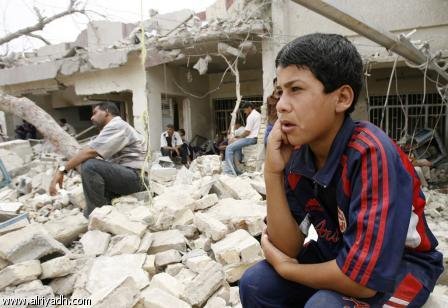
تقرير برلماني يكشف عن انهيار الوضع الصحي في العراق

الملف ـ بغداد

كشف تقرير برلماني عراقي النقاب عن انهيار الاوضاع الصحية في العراق نتيجة ضآلة حصة وزارة الصحة في الموازنة
وجاء في التقرير ان حصة وزارة الصحة في موازنة العام 2008 لا تتجاوز 4,04% من اجمالي الموازنة
واوضح ان قيمة حصة وزارة الصحة لا تتجاوز 2347343520000 دينار عراقي
واضاف التقرير بانه في حال تقسيم المبلغ على نفوس الشعب العراقي مع استثناء الاقليم الكردي وتحويله الى الدولار للمقارنة مع ما هو عليه الحال لدى بعض الدول يتضح ان حصة الفرد العراقي ستكون 68 دولار سنويا
وافاد بان حصة الفرد في الاردن من الخدمات الصحية اعلى من حصة الفرد العراقي رغم فارق الدخل بين العراق الدولة النفطية الخليجية والاردن
وجاء في التقرير ان حصة الفرد العراقي تشمل الادوية والمستلزمات الطبية

كما يجري التقرير مقارنة بين حصة الفرد العراقي راهنا وما كانت عليه في الثمانيات حيث كانت تصل الى 20 دولارا للفرد عندما كان سعر برميل النفط بحدود 7 دولارات
وفي هذا السياق توقف التقرير عند ارتفاع اسعار الادوية والاجهزة الطبية باكثر من ثلاثة اضعاف
واشار الى ان المستشفيات والمؤسسات الصحية والكوادر الطبية والصحية كانت في ذلك العقد افضل بكثير مما هو عليه الحال في الوقت الراهن
وتطرق الى ارتفاع نسبة الامراض السرطانية وتشوهات الولادة وعدم دخول الاجيال الجديدة من المضادات الحيوية الى السوق العراقية والحاجة الى الاجيال الجديدة من ادوية الامراض المزمنة
وشدد التقرير على ان المبلغ المرصود للصحة لا يكفي لشراء حفنة من المضادات الجديدة
وحذر من مضاعفات سيؤدي اليها وضع الخدمات الصحية الراهنة تتمثل في عدم امكانية تحسين نوعية الادوية والمستلزمات الطبية والشراء من الشركات الرصينة مما يبقي الادوية المهربة والرديئة الصناعة وذات الفعالية المنخفضة او عديمة الفائدة البضاعة الرائجة في السوق
وتضمنت التحذيرات عدم امكانية اجراء الفحوص التشخيصية ، وعدم القدرة على توفير اي خزين دوائي لمواجهة الظروف الطارئة نتيجة العمليات الارهابية والكوارث الطبيعية والاوبئة ، واثقال كاهل المواطن العراقي بالعلاج في الخارج ، وعدم القدرة على استقطاب الكوادر الطبية العراقية في الخارج من خلال اعطائها حوافز مالية
واضاف التقرير انه ـ مما يزيد الطين بله ـ لم يتم رصد مبالغ مخصصات الخطورة للكوادر الطبية والصحية لعام 2008 ، وتم استقطاع 410 مليار دينار من قيمة احتياجات الادوية المقررة لعام 2008 والبالغة 500 مليار دينار وتم رصد 90 مليار دينار فقط
وافاد بان ذلك سيؤدي لهبوط حصة الفرد العراقي السنوية الى 42 دولار
وطالب التقرير برصد ثلاثة اضعاف المبلغ المخصص في الموازنة ليكون من الممكن تحقيق نصف الطموحات

Saturday, December 22, 2007

Iraq children 'paying high price'

Last Updated: Friday, 21 December 2007, 16:46 GMT

The violence led to extreme hardship for many children in IraqTwo million children in Iraq are facing threats including poor nutrition, lack of education, disease and violence, the UN children's agency, Unicef, has said.
Hundreds were killed in violence during 2007, while 1,350 were detained by the authorities, it said in a new report.
Some 25,000 children and their families had to leave their homes each month to seek shelter in other parts of Iraq.
But Unicef said the fall in violence in recent months was opening a window for more international assistance.
Earlier, the top US military commander in Iraq, Gen David Petraeus, told the BBC that the number of violent attacks in Iraq had fallen to its lowest in two-and-a-half years.
According to recent figures, some 536 Iraqis have died in violence so far this month, compared with more than 2,300 in December 2006.
'High price'
In a report entitled "Little Respite for Iraq's Children in 2007", Unicef said Iraqi children continued to pay too high a price for their country's turmoil, and that this year things had got worse.
Iraqi children were frequently caught in the crossfire of conflict throughout 2007
Unicef
The report said an average 25,000 children per month were being displaced from their homes as their families fled violence or intimidation. By the end of the year, 75,000 children had resorted to living in camps or temporary shelters.
The disruption led to extreme hardship for many children and eroded access to education and healthcare, Unicef said.
Many of the 220,000 displaced children of primary school age had their education affected in a country where around 760,000 children (17%) were already absent from primary school. Only 28% of 17-year-olds sat their final exams.
Unicef said children in remote and hard-to-reach areas were frequently cut off from healthcare and that only 20% outside the capital, Baghdad, had working sewerage in their community. Access to safe water was also a serious issue.

Only 28% of 17-year-olds sat their final exams in the summer
But the agency said there had been some progress during 2007 - more than 4m children were vaccinated against polio and 3m against measles, and more than 500,000 internal refugees were given medical help, safe water and shelter by relief agencies and local communities.
It also said the current fall in violence provided an opportunity to deliver more aid and to get a clearer view of exactly what the conflict had done to Iraq's children.
"Iraqi children are paying far too high a price," said Roger Wright, Unicef's special representative for Iraq.
"While we have been providing as much assistance as possible, a new window of opportunity is opening, which should enable us to reach the most vulnerable with expanded, consistent support. We must act now."
Mr Wright stressed that Iraqi children should be the priority for international investment in Iraq as they would be the "foundation for their country's recovery".

Little respite for Iraq’s children in 2007
UNICEF.ORG
ERBIL/AMMAN/GENEVA, 21 December 2007

2007/12/21
ذكر تقرير لمنظمة الأمم المتحدة للطفولة (يونسيف) أن قرابة مليوني طفل في العراق يواجهون تهديدات بالغة الخطورة كسوء التغذية والمرض واضطرابات في التعليم. وذكر تقرير اليونسيف أن مئات الأطفال العراقيين فقدوا حياتهم، أو أصيبوا في أعمال العنف أو فقدوا عائل أسرهم بسبب الاختطاف أو القتل كما اعتقلت السلطات 1,350 (ألفا وثلاثمائة وخمسين طفلا). وأثر انعدام الأمن على التعليم كما قالت فيرونيك تافو، المتحدثة باسم المنظمة: "إن ثمانية وعشرين في المئة فقط من الطلاب في سن السابعة عشرة تمكنوا من أداء الاختبارات النهائية في مدارسهم، ولم ينجح في تلك الختبارات سوى أربعين في المئة من الممتحنين. إن الأوضاع تتدهور بشكل مستمر لذا تمنع الكثيرات من الأمهات أبناءهن من الذهاب للمدارس خوفا على سلامتهم." وقد بلغ عدد الأطفال النازحين في سن الدراسة الابتدائية مئتين وعشرين ألف طفل، ولم يستطع عدد كبير منهم مواصلة تعليمهم هذا العام إضافة إلى قرابة سبعمئة وستين ألف طفل لم يذهبوا الى المدارس الابتدائية خلال عام 2006. وأشار التقرير إلى أن عام 2007 منح اطفال العراق متنفسا ضيقا، لكن عام 2008 يبعث الأمل في الوصول الى المزيد من الأُسَر المتضررة، وتقديم مزيد من الخدمات للأطفال العراقيين

يعانون سوء التغذية والاعتقال وانقطاع التعليم
أطفال العراق يدفعون ثمناً باهظاً منذ الغزو
اكدت منظمة الامم المتحدة للطفولة “اليونسيف” امس ان حياة ملايين الاطفال العراقيين ما زالت مهددة بسبب العنف وسوء التغذية وانقطاع التعليم بعد اكثر من اربعة اعوام على غزو القوات الامريكية للعراق.
وقالت المنظمة في تقرير ان “عددا قليلا من التلاميذ اجروا الامتحانات النهائية الصيف الماضي. كما ان المياه الصالحة للشرب ما زالت قليلة بينما اعتقلت السلطات 1350 طفلا على الاقل في 2007”.
وقال التقرير ان 25 ألف طفل وعائلاتهم في المعدل اجبروا على الخروج من منازلهم كل شهر واللجوء الى مناطق اخرى من العراق. وأوضحت “اليونسيف” ان انخفاض مستوى العنف يوفر فرصة لمساعدة اطفال العراق والوصول الى الاطفال المعتقلين وتعزيز هياكل الحكومة التي تركز على الشباب.
وقال ممثل المنظمة الخاص بالعراق روجر رايت ان اطفال العراق “يدفعون ثمناً باهظاً”، مؤكدا ان فرصة جديدة توفرت ويجب ان تمكننا من الوصول الى اشد الفئات ضعفا وحاجة للدعم.
وقالت المنظمة انها أجرت بحثا اظهر ان 28% فقط ممن هم بعمر 17 عاماً أدوا امتحانات الثانوية هذا العام، ولم تتعد نسبة من اجتازوا الامتحان النهائي في وسط وجنوب العراق 40%. وأشار تقرير المنظمة الى ان عدد تلاميذ المدارس الابتدائية المتخلفين عن الدراسة خلال 2006 بلغ 760 ألفاً، الا أن هذا الرقم ارتفع خلال العام الماضي بسبب انقطاع الدراسة لعدد متزايد من الاطفال النازحين من ديارهم.
وفي نهاية عام 2007 أصبح 75 الف طفل عراقي يعيشون في مخيمات أو مساكن مؤقتة واجبر ربعهم على الخروج من منازلهم منذ تفجير مرقد الامامين في سامراء في شباط/فبراير 2006. واضاف التقرير انه خلال عام 2007 قتل او اصيب مئات الاطفال بسبب العنف، كما ان المعيل الرئيسي لاسر العديد منهم تعرض للخطف او القتل.
ورغم المعاناة هناك مؤشرات ايجابية بالنسبة لاطفال العراق، حسب “اليونسيف” التي استثمرت اكثر من اربعين مليون دولار في العراق خلال العام.وقالت المنظمة ان الاموال التي قدمتها للعراق ساعدت العاملين في قطاع الصحة على القيام بحملة تطعيم من منزل الى منزل شملت اكثر من اربعة ملايين طفل تلقوا لقاحات ضد شلل الاطفال، فيما تلقى اكثر من ثلاثة ملايين طفل لقاحا ضد الحصبة والنكاف والحصبة الالمانية. واضافت المنظمة انه نتيجة هذا الجهد، بقي العراق خاليا من الحصبة الالمانية فيما انخفضت حالات الاصابة بالحصبة بشكل كبير من 9181 في عام 2004 الى 156 بحلول تشرين الثاني/نوفمبر 2007.
واكد التقرير ان نحو 4،7 مليون تلميذ مدرسة ابتدائية استفادوا من المواد المدرسية الجديدة ومن غرف الصف التي خضعت لعمليات صيانة بتمويل من “اليونسيف”. وقالت المنظمة الدولية ان التحسن الذي طرأ مؤخرا على الوضع الامني في العراق سيكشف بشكل أكثر وضوحا عن احتياجات الاطفال، الا انها اضافت ان اطفال العائلات النازحة التي اختارت العودة الى منازلها هم في وضع خطر بشكل خاص. وقال رايت ان “اطفال العراق هم اساس انتعاش بلادهم ... عندما تكون حياة الاطفال محمية فان ذلك سيؤدي الى انتعاش المجتمع بشكل سريع”.
(أ.ف.ب)

Friday, October 26, 2007

IRAQ: Mental problems and stress disorders increase

BAGHDAD, 25 October 2007 (IRIN) - Salah Hashimy, 14, has lost his parents, sisters and many friends since the US-led invasion in 2003; finally there was no one to look after him. He lacks education, love and support, a combination that, according to doctors, caused his mental health problems.

“My memory is very weak but I cannot forget when I saw my sister being raped by militants until she died,” Hashimy said.

Hashimy, who is being treated at Ibn-Rushd psychiatric hospital in Baghdad, has at last found a place to stay at Keeping Children Alive (KCA), a local NGO that takes care of children with mental disorders. However, after recent threats against the NGO, Salah might have to find another place to live if it is forced to close.

“Salah is just one example of dozens of children and adults who come to our unit in this hospital and all of them have developed mental disorders after the war,” said Shalan Aboudy, director of Ibn-Rushd psychiatric hospital.

“All patients have similar histories. Some have lost relatives, children became orphans, women were raped, men lost their fiancés a couple of days before marriage,” Aboudy added.

100 patients a day

According to Aboudy, about 100 patients a day visit the hospital since it is the only one with a psychiatric unit in the capital although it lacks supplies and medical staff. Long queues form daily outside its door. “The majority are women, fewer men and plenty of children,” Aboudy noted.

In 2006, the hospital was supported by 14 specialists but now there are four as most have fled the country.

“I come here at least once a week to find a solution for my daughter, who lost her fiancé in an explosion. She has since become hysterical. It has been longer than one year but she continues behaving hysterically,” said Muhammad Sa’ad, 53, father of three.

The KCA said it has seen dozens of cases of children suffering from mental disorders caused by the impact of the war.

“We have two psychologists in our main branch in Hadithiyah district assisting children in Baghdad but most of the cases are useless as parents don’t return after the clinical diagnosis, as they do not accept that their children could be suffering from mental disorders caused by the war,” Mayada Marouf, a spokesman for the KCA, said. “They take their children back home and never show up again, losing the opportunity to have them assisted by specialists.

“Traditional families still believe that it is shameful to suffer from mental disorders and prefer to confine their children to their homes like useless persons,” Marouf added.

KCA has registered about 1,800 children and 1,100 women who have sought psychological help since January 2007 but fewer than 6 percent have returned to continue the treatment after the first doctor’s evaluation.

Fariz Mahmoud, a professor of neurology at Baghdad University, said the main reason for the increase in psychological disorders and distress among the population is fear.

“People are scared of violence. They cannot [bear to] hear bullets, explosions and the news of a lost relative. Children cannot stand the idea of staying at home or living as displaced and more cases will be reported in the coming months,” Mahmoud said. “Fear is like a cancer in some situations, it takes control over the body, reaching a stage when neither the doctor nor the medicines are able to reverse the results.”

Before May 2007, Baghdad reportedly had at least six NGOs offering psychological help to people suffering from mental disorders but after continuous threats from insurgents they closed down.

as/ar/mw
ارتفاع حالات الإصابة بالاضطرابات النفسية
بغداد، 25/اكتوبر/2007
قد صلاح هاشمي، 14 عاماً، والديه وأخواته والعديد من أصدقائه منذ بداية الغزو الذي تقوده الولايات المتحدة على العراق منذ عام 2003. ولم يبق لديه من يرعاه، كما أن فقدانه للتعليم والحب والدعم سبب له، حسب الأطباء، مشاكل نفسية كبيرة.
ويقول صلاح: "ذاكرتي ضعيفة جداً ولكنني أعجز عن نسيان منظر أختي وهي تتعرض للاغتصاب على يد المقاتلين حتى لفظت أنفاسها الأخيرة".
وبعد طول معاناة وجد صلاح، الذي يتلقى علاجه في مستشفى ابن رشد للأمراض النفسية ببغداد، مكاناً يأوي إليه لدى منظمة الحفاظ على حياة الأطفال، وهي منظمة غير حكومية تهتم بالأطفال الذين يعانون من مشاكل نفسية. غير أنه قد يضطر للبحث عن مكان آخر يأوي إليه إذا ما أقفلت هذه المنظمة أبوابها بسبب التهديدات الأمنية التي تلقتها مؤخراً.
وعن حالة صلاح، قال شعلان عبودي، مدير مستشفى ابن رشد للأمراض النفسية: "إن حالة صلاح ليست سوى مثالاً على حال عشرات الأطفال والبالغين الذين يأتون إلى وحدتنا بالمستشفى وهم يعانون من اضطرابات نفسية بسبب الحرب. كل المرضى يتشابهون من حيث التاريخ، فبعضهم فقد أقاربه، وبعض الأطفال أصبحوا أيتاماً وبعض النساء تعرضن للاغتصاب، وبعض الرجال فقدوا خطيباتهم أياماً قليلة قبل الزواج".
مائة مريض في اليوم الواحد
ووفقاً لعبودي، يزور المستشفى حوالي 100 مريض في اليوم الواحد لأنه المستشفى الوحيد في العاصمة الذي يشمل وحدة للأمراض النفسية بالرغم من أنه يفتقر للمعدات والكوادر. كما أشار إلى أن صفوفاً طويلة من الناس تقف يومياً أمام أبواب المستشفى، معظمهم من النساء والأطفال.
وكان المستشفى يضم 14 أخصائياً في عام 2006 ، أما الآن فلم يتبق منهم سوى أربعة بعد أن غادر الآخرون البلاد.
أما محمد سعد، الذي يبلغ من العمر 53 عاماً وأب لثلاثة أطفال، فيقول: "آتي إلى هنا مرة في الأسبوع على الأقل علني أجد حلاً لابنتي التي فقدت خطيبها في حادث انفجار. منذ ذلك الحين، وهي تعاني من نوبات هستيرية. لقد مضى عام على الحادث ولا زالت تتصرف بهستيرية".
كما أفادت منظمة الحفاظ على حياة الأطفال بأنها رأت العشرات من الأطفال الذين يعانون من اضطرابات عقلية بسبب الحرب. وقالت ميادة معروف، الناطقة باسم المنظمة: "لدينا طبيبان نفسيان في فرعنا الرئيسي بالحديثية لمساعدة الأطفال في بغداد ولكن معظم الحالات لا يرجى منها فائدة لأن الآباء لا يعودون بعد الحصول على التشخيص السريري، فهم لا يتقبلون أن يكون أبناؤهم يعانون من أمراض نفسية بسبب الحرب. كل ما يفعلونه هو أنهم يصحبون أطفالهم إلى البيت ثم لا يعودون إلى هنا أبداً، فتضيع منهم فرصة الاستفادة من خدمات الأخصائي. فالعائلات التقليدية لا تزال تعتقد بأن الاضطرابات النفسية شيء مهين، ولذلك فهي تفضل أن تحتجز أطفالها في البيت".
وسجلت منظمة الحفاظ على حياة الأطفال حوالي 1,800 طفل و1,100 امرأة تقدموا للحصول على المساعدة النفسية منذ يناير/كانون الثاني 2007، إلا أن أقل من 6 بالمائة منهم فقط عادوا لمتابعة العلاج بعد الحصول على تشخيص الطبيب.
ويرى فريد محمود، أستاذ علم الأعصاب بجامعة بغداد، بأن السبب الرئيس في ارتفاع حالات الإصابة بالاضطرابات النفسية بين السكان هو الخوف. "فالناس خائفون من العنف. لا يستطيعون تحمل سماع صوت القنابل والانفجارات وأخبار فقدان الأقارب. كما أن الأطفال لا يستطيعون تحمل فكرة البقاء لوحدهم في البيت أو العيش في مخيمات النازحين".
وأضاف قائلاً: "أتوقع أن يتم الإبلاغ عن العديد من الحالات الأخرى في المستقبل القريب... إن الخوف شبيه بالسرطان في بعض الحالات، فهو يتملك الجسم ويسيطر عليه ليصل إلى مرحلة لا يستطيع فيها الأطباء ولا الدواء عكس النتائج المترتبة عليه".
وكانت بغداد قبل شهر مايو/أيار 2007، تضم أكثر من 6 منظمات غير حكومية توفر الدعم النفسي للأشخاص الذين يعانون من اضطرابات
نفسية إلا أنها اضطرت إلى إقفال أبوابها بعد التعرض للعديد من التهديدات من المتمردين
".

Wednesday, August 15, 2007

Violence taking toll on pregnant mothers, infants

أيرين- بغداد، 14/اغسطس/2007
كانت ليلى عبد الكريم، 27 عاماً، تتوق لأن ترزق بمولود يملأ عليها حياتها، وبعد سنتين من المحاولة تحقق أملها وتأكد حملها. ولكن ما لم تتوقعه هو أن يتسبب العنف الدائر في بغداد في تعريض ولادتها وصحة مولودها للخطر.
تقطن ليلى في حي الدورة، أحد أخطر الأحياء ببغداد، ولذا لم تتمكن من الإسراع إلى المستشفى عندما جاءها المخاض ليلاً، بسبب المواجهات العنيفة التي كانت مندلعة بالقرب من بيتها في ذلك الوقت. وتروي أحداث تلك الليلة الرهيبة قائلة: "حاولنا مغادرة البيت، ولكن المواجهات كانت تزداد حدة وخطورة. فاضطررنا لالتزام المنزل، بالرغم من أننا كنا نعلم بأن الجنين قد لا يتمكن من الصمود، خصوصاً وأن الأطباء حذروني مسبقاً بأنني سأحتاج إلى عملية قيصرية".
وعندما تمكنت ليلى من الوصول إلى المستشفى في نهاية المطاف، كان ابنها قد تعرض لضرر في دماغه أثر على قدرته على الحركة، الأمر الذي سيؤثر عليه طيلة أيام حياته، وفقاً للأطباء. وتعلق ليلى على ما أصاب ابنها بأسى بالغ قائلة: "لقد دمر العنف حياة طفلي وهو لا يزال داخل الرحم".
وحسب الأطباء، تواجه عشرات النساء في العراق صعوبات في الولادة بسبب العنف الدائر في البلاد وحظر التجول المفروض على بعض مناطقها مما يعيق وصولهن إلى المستشفيات خلال ساعات الليل.
ويقول الدكتور إبراهيم خليل، وهو طبيب نساء وولادة بمستشفى الكرادة للنساء: "إثنتين على الأقل من بين 12 حالة ولادة طارئة تنتهيان إما بموت الأم أو بفقدانها لجنينها. فإما أن تكون الأم مصابة بفقر الدم أو أن يولد جنينها بوزن أقل من الطبيعي بسبب سوء التغذية أو انعدام الرعاية الصحية في فترة ما قبل الولادة".
ويضيف قائلاً: "ليست هناك أية إحصاءات رسمية بهذا الخصوص، ولكننا نلاحظ بأن الأرقام قد تضاعفت منذ سقوط نظام صدام
وتقول كلير حجاج، موظفة الاتصال بمركز دعم العراق بمنظمة الأمم المتحدة لرعاية الطفولة (اليونيسيف)، بأن النساء في العراق تضعن أجنتهن في ظروف صعبة جداً. "فالذهاب إلى المستشفى يبقى أحيانا آخر الحلول نظراً لانعدام الأمن وحظر التجول وإغلاق الطرقات والخوف من العنف". كما أن عدد المنظمات غير الحكومية العاملة في مجال التوليد قليل جداً، وأقل منه عدد الممرضات اللواتي تقبلن التنقل في الظروف الراهنة لتقديم المساعدة للنساء أثناء الولادة.
من جهتها، قالت حنان لطيف، المسؤولة الإعلامية لدى منظمة محلية تدعى منظمة حقوق المرأة: "كان لدينا مجموعة مؤلفة من عشر ممرضات تذهبن إلى المنازل في بغداد لمساعدة النساء على الولادة، ولكن لم يتبق لدينا الآن سوى ممرضة واحدة، وهي تفكر في التوقف لأسباب أمنية...تضطر النساء للاعتماد على أسرهن وتأملن ألا يداهمهن المخاض ليلا

وأفادت اليونيسيف بأن نسبة وفيات الأمهات أثناء الولادة قد ارتفعت بشكل كبير خلال الخمس سنوات الأخيرة. ففي عام 1989، كانت النسبة تصل إلى 117 وفاة لكل 100,000 حالة حمل أو ولادة أما الآن، فقد ارتفعت هذه النسبة بمعدل 65 بالمائة.
كما أن الأرقام التي جمعتها منظمة (أنقذوا الأطفال) بداية هذا العام تفيد بأن نسبة الوفاة بين الأطفال دون سن الخامسة كانت تصل خلال عام 1990 إلى 50 وفاة لكل 1,000 طفل. أما في عام 2005، فقد وصلت النسبة إلى 125 وفاة لكل 1,000 طفل. وبالرغم من أن العديد من الدول تعاني من نسب أعلى من هذه، إلا أن وتيرة الارتفاع في العراق تبقى الأعلى في العالم.
وتفيد اليونيسيف كذلك بأن مليون طفل ولدوا في العراق خلال الإثني عشر شهراً الماضية، 40,000 منهم على الأقل ولدوا داخل أسر نازحة يعيش معظمها في ظروف غير صحية في المخيمات
BAGHDAD, 14 August 2007 (IRIN) -

Leila Abdel-Karim, 27, longed for a child and, after two years of trying, she got pregnant, but could not foresee that the baby’s delivery - and future health - would be severely affected by the ongoing violence in Baghdad. A resident of Dora District, one of the most dangerous neighbourhoods of Baghdad, Leila’s labour began during the night as clashes flared up near her house, preventing her from getting to hospital. “We tried to leave our home but the clashes were getting worse and we had to stay, knowing that my baby could die, as the doctor had told me that I would probably need a Caesarean,” she said. When she finally got to the hospital in the morning and gave birth, her son had suffered brain damage which was affecting his movements - something he might have to contend with for the rest of his life, according to the doctors. “The violence destroyed the life of my son while he was still in my uterus,” Leila said.
According to doctors, dozens of women in Iraq each day face delivery difficulties caused by violence and the curfew that is preventing access to health care during the night. “For at least two women in every 12 who seek emergency delivery assistance here, either the mother or her child dies,” Dr Ibrahim Khalil, a gynaecologist at Al-Karada maternity hospital, said. “Mothers are usually anaemic and children are born underweight as a result of a poor nutrition and lack of pre-natal care,” Khalil said, adding: “There aren’t any official figures but we can see that the number [of such cases] has doubled since Saddam Hussein’s time.” Fewer district nurses According to Claire Hajaj, communications officer at the UN Children's Fund’s (UNICEF) Iraq Support Centre, women give birth in difficult environments: “In some cases travelling to hospitals is the last resort because of insecurity, curfews, road blocks and fear of violence," she said.

Fewer non-governmental organisations (NGOs) are working in the maternity area, and there are fewer district nurses willing to travel in the current circumstances. “Before we had a group of 10 nurses offering home delivery to women in Baghdad but today we have just one - and she is thinking of giving up for security reasons,” said Hanan Lattif, media officer for a local group called the Women’s Rights Organisation. “Women have to rely on their families and hope that their delivery happens during the day.” Statistics UNICEF has said Iraq's maternal mortality rates have increased dramatically in the last 15 years. In 1989, 117 mothers out of 100,000 died during pregnancy or childbirth. That figure has now gone up by 65 per cent. Figures compiled earlier this year by Save the Children show that in 1990 the mortality rate for under-fives was 50 per 1,000 live births. In 2005 it was 125. While other countries have higher rates, the rate of increase in Iraq is higher than elsewhere. According to UNICEF, over one million babies were born in Iraq in the last 12 months, at least 40,000 of them to displaced families - many living in unsanitary conditions in camps.

Tuesday, June 5, 2007

I have to scrounge around rubbish bins to feed my children

أبحث في القمامة عن طعام لأبنائي
Electronic Iraq
Adeela Harith, IRIN, 5 June 2007BAGHDAD (IRIN) -

a 39-year-old widow and mother of three, says she misses the days when her husband was daily bringing them food and when they used to sleep in a safe house in comfort. As a recently-widowed displaced person, she has no support and is now collecting left-overs from rubbish bins to feed her children.Adeela - who is the mother of Ahmed 14, Zaineb 12 and Yasser 8 - said she had tried to get a job as a housekeeper but did not succeed as most families cannot afford maids or do not trust strangers in their homes. Without an education, she was left with no choice but to look for food in rubbish bins.
"I have to scrounge around rubbish bins to feed my children. They no longer attend school. The oldest two are street beggars and the youngest, Youssef, is with me looking for food in rubbish bins."Some people told me that the best way to survive was to find a temporary husband or maybe work as a sex worker to feed my children but I prefer to eat garbage than to lose my dignity."There are days when we don't find enough and we have to sleep near an abandoned school in Baghdad, hungry. It is easy to get water but people do not give out food as before. When I had my own home, I tried to help anyone who came looking for food. But now I'm in their place and I have come to understand how the Iraqi people have changed and their hearts have become hard."My husband was killed by militants from the Mahdy Army [the Shia militia] in January 2007. He was a good man and didn't deserve such a sad end. He was tortured and his body was mutilated. I don't have parents. The only brother I had was killed a year ago and his wife is leading a similar life to mine."After my husband was killed, militants came to my home and threatened to kill everyone if we didn't leave our house in 24 hours. I left without carrying anything. I tried looking for a place to stay in the outskirts but no one wants to give sanctuary to a widow with three children."A local NGO recently told me they will assist me but I am still waiting. Youssef has serious diarrhea and two weeks ago Zaineb got sick from the food we ate. The doctors told us to stop eating food which we collect from rubbish bins but we don't have a choice. Either we eat like this or we die of starvation."I will keep trying to find food for us in rubbish bins and with the money my children get in the streets by begging, we can buy some water and milk for them. I keep remembering how good the old days were when we had good food, good health and good living conditions but now our life is a disaster. And with the deteriorating situation in Iraq no one cares any more."

This item comes to you via IRIN, the humanitarian news and analysis service of the UN Office for the Coordination of Humanitarian Affairs.


دعوة
لتفعيل حملة وطنية تدعم رؤية المرأة العراقية في المشروع التحرري


في خضم خمسة اعوام من الاحتلال الذي انتهك تفاصيل الحياة اليومية للفرد العراقي من جهة، والمجتمع العراقي من جهة اشمل، سعياً الى تصحير العراق من نواته الحية، وتحويله الى مجرد آبار نفط في صحراء لا يسكنها انسان، سوى موظفي الشركات الاحتكارية.
وفي خضم حيوية الصراع بين المشروع التحرري العراقي المقاوم للهيمنة والاستغلال والساعي للانعتاق بالبعدين الفلسفي والاخلاقي فإننا نحن النساء العراقيات، المنتميات الى المشروع التحرري بأبعاده الوطنية والقومية والانسانية والحضارية، نعلن أننا ندرك أبعاد مشروعنا الانعتاقي ومواقع اقدامنا فيه، كما ندرك كيف نصوغ معادلة الانعتاق على قاعدة: لا ذكر لا انثى، لا سيد لا عبد، لا غني و لا فقير.....
بمعنى ان لا مالك و لا مملوك بل انسان حر، بغض النظر عن الجنس او العرق او المذهب او الهوية الضيقة....
وبمعنى تفصيلي، فإننا نحن النساء العراقيات نصوغ مشروعنا على قاعدة الانسان الحر الصانع للعدالة عقداً اجتماعياً، والمنتج للفكر التحرري على قاعدة الانسان في توجهه التاريخي.... المستقبلي.
وعليه ...فإن المطبات التي يصنعها لنا العدو المناهض للحرية والتقدم، مهما استغل من وسائل قد تبدو فيها ان صورة المرأة العراقية هي صورة سلبية، هي مطبات لا تمثل إلا اطراف اللعبة، أما ماتصبو اليه العراقية الحرة، فهو مشروعها التحرري نحو الانعتاق الكلي على قاعدة الانسان والتاريخ.
وعليه ايضاً.... ندعو جميع قوى التنوير والقوى المقاومة للاحتلال، والنخب الفكرية والوطنية في المشروع التحرري الى دعم حملة المرأة الوطنية في ترسيخ رؤاها في المشروع الوطني القومي الانساني التحرري.


هيأة أرادة المرأة
بغداد العراق
تشرين الثاني 2007